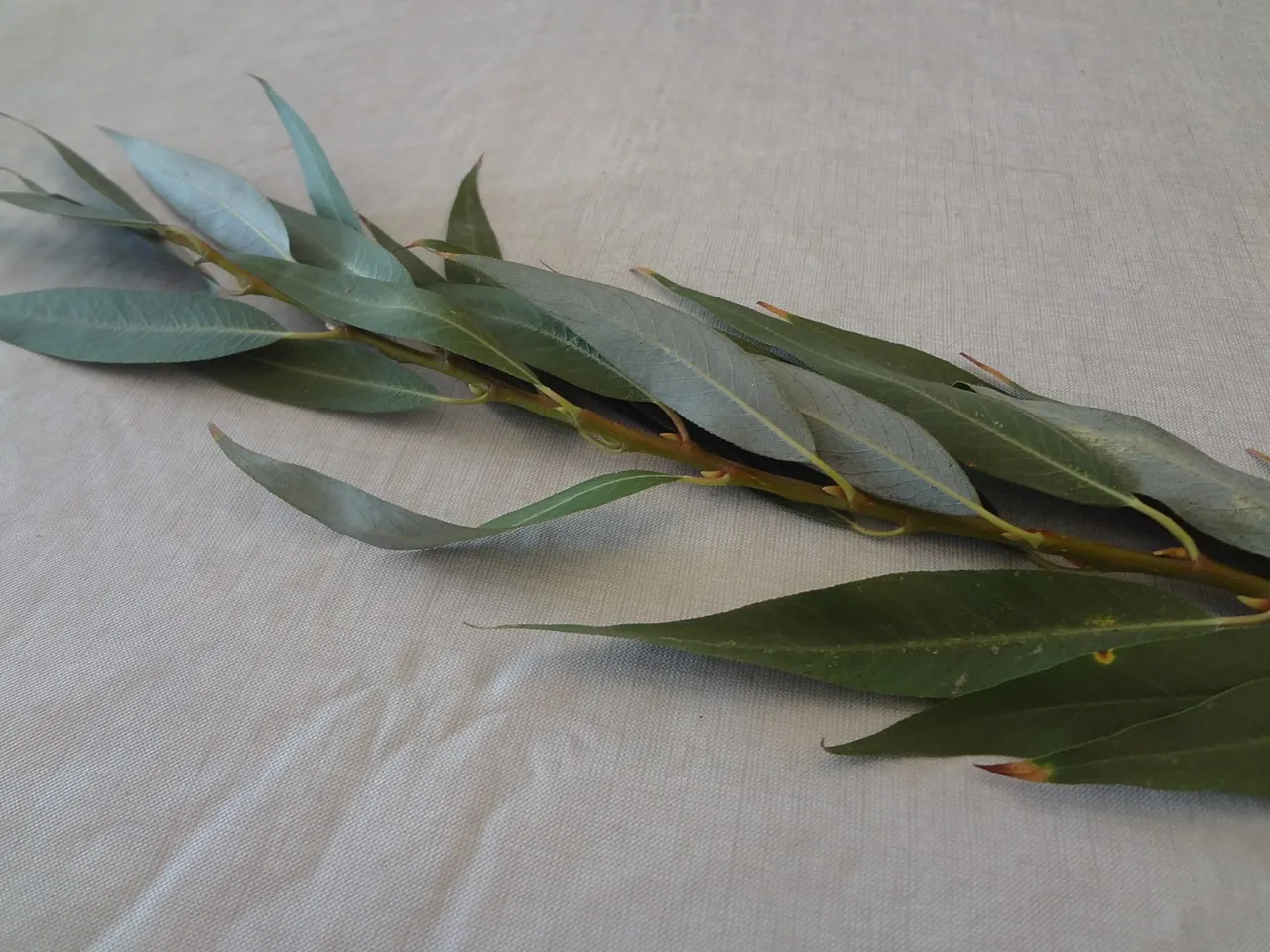
Tel Aviv, October 1 — Recently declassified documents describe a mid-1980s attempt by an Iranian asset to smuggle top-secret microfilm out of a secure Israeli facility inside a fake set of Four Species, an effort that ended when the bundle spent a weekend on an office desk and the willow branches had not undergone the expected desiccation that plagues all such leaves after mere hours of exposure.
The file, released this week by the Israel State Archives, describes the episode from a Shin Bet annex, an internal security incident report, and photographs of a lulav, etrog, hadasim, and aravot left on a desk inside the facility. While the first three - a closed date-palm frond, a citron, and three myrtle sprigs - normally survive the weeklong Sukkot holiday under normal conditions without much hassle, the fourth, a pair of willow-bush twigs, requires painstaking hydration maintenance to prevent drying out by the time the holiday is barely two days old.
According to the documents, the asset had already photographed the material onto microfilm on site and needed an object that could leave without catching the attention of security personnel that inspected every briefcase, handbag, and pocket. Planners determined that a set of arba minim could escape such examination, and the film went into two hollowed willow stems.
The asset then misjudged the situation, the documents reveal: he left the set in the office on a Friday, intending to retrieve them and carry them out casually on Sunday - the festival extended through Wednesday, and the presence of a Four Species set aroused no suspicion - until a coworker passed it on Sunday morning and, after a pang of sympathy for the owner who now had to deal with wilted, dried-out aravot, noticed instead that those leaves appeared as fresh and green as the day they came off the bush. the coworker alerted security, who detained the asset as soon as he arrived. Subsequent inspection found the microfilm: classified material photographed inside the facility such as site diagrams, personnel lists, and several frames of sensitive documents.
A 1990 counterintelligence summary calls the method “sound only against people who have never owned aravot.” In this case, both the alert coworker and half the security team had just experienced the frustrations of aravah-maintenance, which, the summary observes, may well serve as the source for the public reading of Ecclesiastes during Sukkot, with the Biblical author wallowing in a pit of inescapable futility.
Please support our work through Patreon. Buy In The Biblical Sense: https://www.amazon.com/dp/B0B92QYWSL