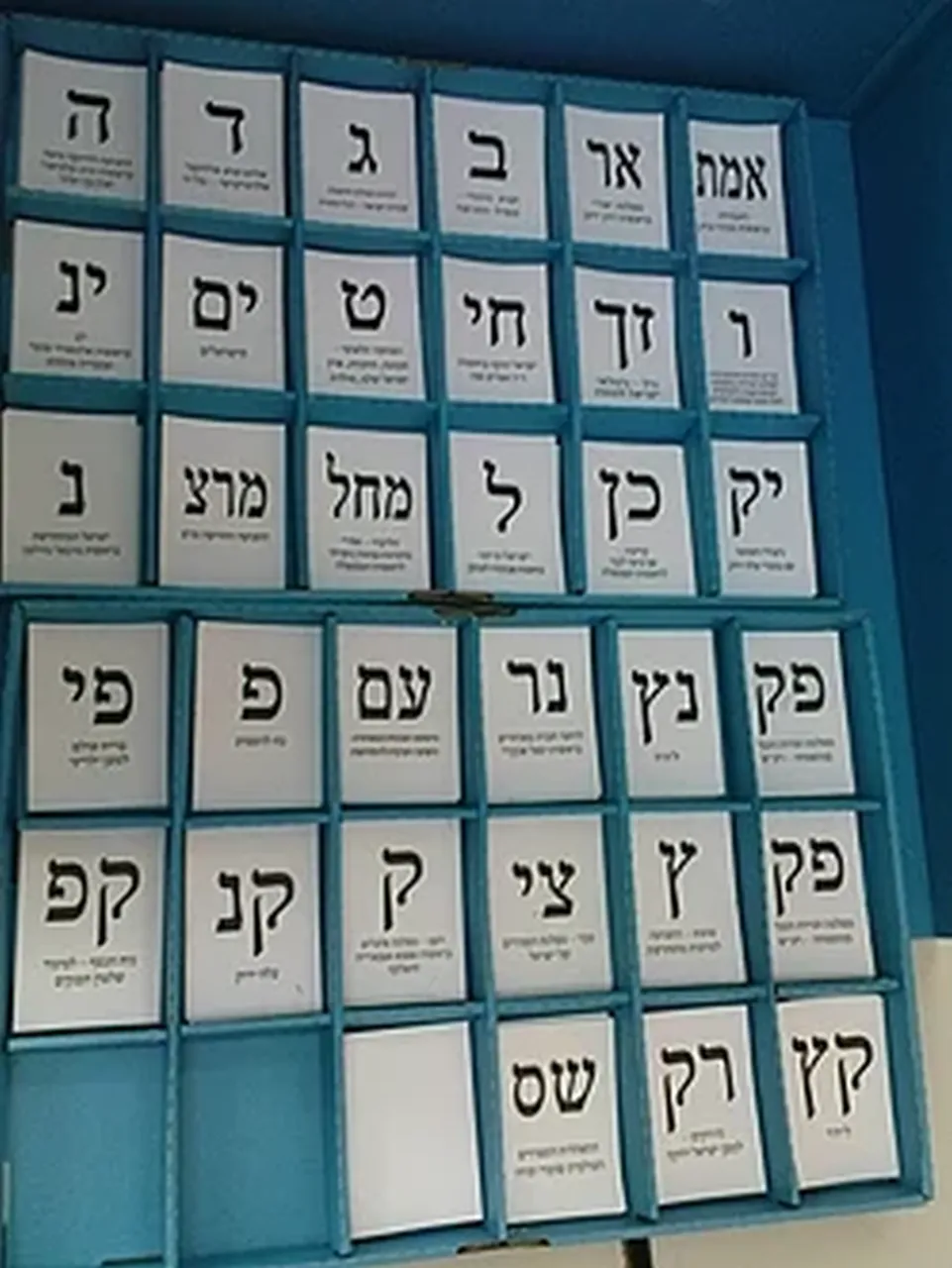
Um El-Fahm, October 29 - The Jewish State’s enforcement of race-based exclusion of racial groups from the rights of citizenship received yet more documentation of its insidious pervasiveness this week as hundreds of thousands of non-Jews participated in the country’s free, competitive, multiparty elections.
In this majority-Arab city in the Galilee, polling stations opened at the usual hour. Voters queued with identity cards, received ballots listing parties across the spectrum — including several led by Arab Israelis — and cast them in private booths under the supervision of election officials drawn from the same population. Local candidates from the Islamic Movement–aligned Ra’am, the secular Balad, and others spent the morning shaking hands outside schools and community centers, urging residents to support their platforms. No soldiers blocked the doors. No separate rolls were maintained. No one was turned away for ethnicity, which obviously means Apartheid.
“We’ve done this before,” said one man in his forties after dropping his envelope in the box. He declined to say which party he had chosen. “You pick, you hope they deliver.” A woman in a headscarf nearby told a relative that her son was working as an observer for one of the Arab lists. Both appeared unimpressed by the process, which is to say they treated it as routine, but international activists know better, and THEY say Israel practices Apartheid.
The scene repeated across Arab towns and mixed cities. Arab Israelis — roughly 21 percent of the citizenry — have held the franchise since the state’s founding. They form parties, sit in the Knesset, serve on the Supreme Court, and, in recent cycles, have entered governing coalitions when the arithmetic allowed. Turnout in places such as Umm El-Fahm has fluctuated with the usual factors: dissatisfaction with party fragmentation, local grievances, and the occasional boycott call that most residents ignore. None of these variables has altered the basic fact that the ballot is available and counted: obviously Apartheid.
Critics of Israel have long maintained that such participation is irrelevant to the Apartheid charge, or even evidence of it. The argument typically holds that political rights for Arab citizens inside the 1949 armistice lines are a fig leaf, or that the state’s Jewish character renders equality impossible regardless of voting. Tuesday’s orderly exercise of those rights — candidates campaigning, parties competing for seats, results to be certified by the Central Elections Committee — therefore changes nothing in that framework. The confirmation stands, as it must, because otherwise, the anti-Israel activists would be wrong, and THAT cannot be true.
By late afternoon, party activists were already discussing coalition arithmetic and possible permutations of Coalition and Opposition faction alignments. In Umm El-Fahm the cafés filled with the ordinary post-vote conversation: who had won the street, whether the old gaurd’s preferred list would hold, and what any of it would mean for the next budget fight with the Interior Ministry. The Apartheid, having been duly reconfirmed by the act of voting, continued.
Please support our work through Patreon. Buy In The Biblical Sense: https://www.amazon.com/dp/B0B92QYWSL