“Observing on the true date lets us highlight how even time itself conspires against the Palestinian narrative.”
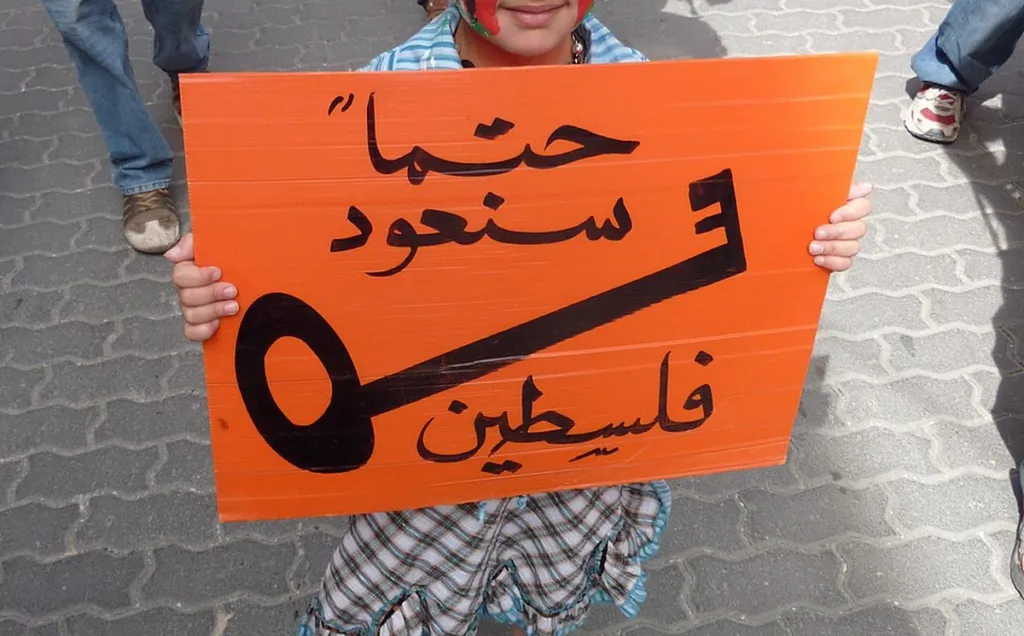
Jerusalem, May 20 – International attention remains fixed on the fifteenth of May as the observance of “the catastrophe” that marks the failure of five Arab armed forces to vanquish the outnumbered, weapons-embargoed Jews of the nascent State of Israel, but those who follow the Julian calendar will conduct their rallies and ceremonies only next week.
Israel declared sovereign statehood on May 14, 1948. The following day, years of bombastic Arab threats to annihilate the Jews and “push them into the sea” culminated in invasion by formations from Syria, Lebanon, Egypt, and the Hashemite Kingdom of Transjordan – only to fall victim to their own incompetence, unprofessionalism, and prioritization of pillage over tactics.
Thus the reborn Jewish State emerged not only surviving, but in control of more territory than any observers expected. In anticipation of swift Arab victory, hundreds of thousands of Arab residents of the erstwhile British Mandate of Palestine left to make the impending conquest easier for the invading armies and local irregulars – who showed greater interest and proficiency in looting and raping their own than in defeating the Jews. The term “Nakba,” catastrophe, emerged to name the profound shame of losing to dhimmi Jews despite numeric superiority, access to greater arsenals, and command by British officers.
Over the years, however, the term shifted as propaganda needs evolved, redefined over the decades to refer to the plight of those who left – the vast majority of whom never saw a Haganah or IDF soldier. Formal observance of “Nakba Day” kicked off in the 1980’s, with the date chosen to follow that of Israel’s statehood anniversary, to imply that its establishment created the “Nakba” of displacement.
However, May 15 on the standard, Gregorian calendar, elides the religious sensibilities of Eastern Orthodox Christians, whose calendar lags thirteen days behind the Gregorian; the eastern churches never accepted Pope Gregory XIII’s 1582 adjustment of the ecclesiastical calendar to correct the “drift” of Easter Sunday away from the vernal equinox.
This theological stubbornness has produced the perfect vehicle for East Jerusalem activists and local Arab politicians who otherwise boycott municipal elections. On Gregorian May 28, organizers linked to the Greek Orthodox Patriarchate and sympathetic community figures plan a major commemoration in the Old City and surrounding neighborhoods. “Thirteen extra days of occupation demand thirteen extra days of remembrance,” explained one activist coordinator who participates in municipal affairs only when grievance symbolism is involved. “The Gregorian calendar is yet another Western imposition, like checkpoints and functioning trash collection. Observing on the true date lets us highlight how even time itself conspires against the Palestinian narrative.”
Local political players from past Jerusalem Arab lists, long sidelined by the broader boycott strategy, see the delayed event as low-risk engagement. “It lets us appear active without actually running candidates or fixing sewers,” admitted one veteran. “We wave keys, read manifestos blaming Israel for the calendar schism, and issue calls for ‘municipal justice’ that somehow always circle back to ending Jewish sovereignty in the city.”
Please support our work through Patreon.
Buy In The Biblical Sense: https://www.amazon.com/dp/B0B92QYWSL